





We have begun work with the National Wildlife Federation on a 60-day public comment period over the Interior Department's proposed rollback of oil and gas safeguards on public lands. Interior is selling the move as "cutting red tape." The real question is narrower and harder to dodge: cutting red tape, or handing taxpayers the bill to clean up abandoned wells that drilling companies walked away from?
For advocacy or public comments, the most persuasive frame isn’t just that taxpayers shouldn’t pay, but that this rule redesigns the economics to make abandonment a rational business choice and then rebrands the resulting taxpayer liability as a red-tape reduction.
That question will not answer itself inside the regulatory record. It gets answered in public, and a public comment period is where that fight begins. Most organizations treat the window as a procedural chore. A more effective public comment period strategy treats it as a communications campaign.
We have run that play for two decades, inside Clean Water Act rulemaking for the National Wildlife Federation, defending the EPA’s endangerment finding for NRDC, and the defense of public employee union members within the EPA's own scientists. The pattern holds: the side that makes the stakes impossible to miss early usually beats the side that simply files on time.
Why a comment period is a communications opening, not a legal chore
A public comment period is one of the few moments when an issue becomes active across several audiences at once. Reporters have a reason to revisit it. Advocates have a reason to organize. Affected communities have a reason to speak. Experts have a reason to explain the stakes. Opponents have a reason to define the issue before anyone else does. The filing speaks to the agency. The public argument speaks to everyone else who can influence, amplify, or contest the outcome.
The mistake is treating comments as something that happens inside the regulatory process rather than around it. We saw the cost of that gap up close across the EPA's Community Change Grants program, where "community engagement" too often becomes procedural: meetings held, comments submitted, nothing changed. Working across dozens of applicants, we positioned community input not as feedback to be filed, but as evidence, clearly articulated and directly relevant to the decision. That is the whole difference, and it is why a filing and a campaign are not the same thing.
| A comment period as a chore | A comment period as a campaign | |
|---|---|---|
| What you optimize | A complete, on-time filing | The public's understanding of the stakes |
| When the work peaks | The final week | The day the window opens |
| Who hears it | The agency | Reporters, validators, the movable middle, and the agency |
| What leads | The regulatory record | Earned media, op-eds, trusted local voices |
| How the issue is framed | However opponents frame it | On your terms, while the decision is pending |
| What you are left with | A document in the docket | A public record and a public memory of the fight |
When should communications start during a comment period?
It should start the day the window opens, not the week it closes. Too often, organizations wait until the deadline to manufacture urgency, and the final days become a scramble for signatures and last-minute appeals while the public argument has already moved without them. The opening is the first wave of public education. The middle is for validation, amplification, and stakeholder pressure. The close is when you show breadth, urgency, and consequence. The deadline should close a campaign, not launch one.
That sequencing is learned discipline, not theory. For NRDC, we timed earned media and expert visibility to the regulatory review and the development of the administrative record around the EPA endangerment finding, so the right experts were engaging at the moments that actually shaped the decision. For American Rivers, we aligned media with the decision timelines on rivers at genuine policy crossroads. The calendar of the rulemaking, not the calendar of the news cycle, sets the pace.
Reaching the movable middle, not just allies and opponents
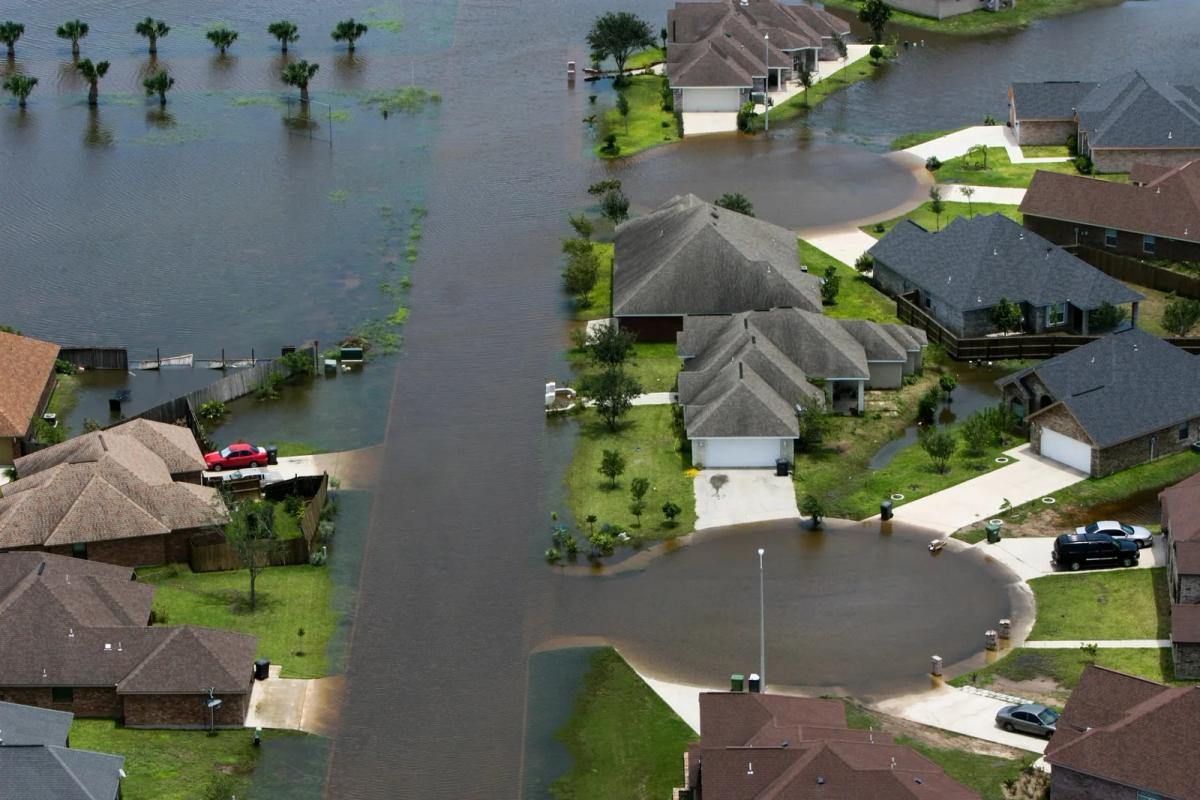
Most advocacy effort is spent on people who already agree or never will. Allies need to be equipped, and opponents sometimes need to be answered, but neither should consume the whole strategy. A comment period is valuable precisely because it opens a path to people who have not yet formed a fixed opinion.
On the public-lands rollback, those people are not self-described environmental advocates. They are the anglers, ranchers, small-business owners, and taxpayers near public lands who would inherit the consequences of an abandoned well. Reached through clean water, local accountability, and who-pays rather than as a fight between organized sides, they can begin to see themselves inside the decision. We watched that work on the "I Will" Act on Climate tour across 30 states, where local business owners, faith leaders, and public-health voices moved persuadable regions that a national campaign could not reach on its own. That is the difference between preaching to a base and building stakeholders.
Sequence the channels: earned media first, social as the distribution layer.
The most persuasive material rarely starts on social media. It starts with a local broadcast segment, an editorial-board conversation, a first-person op-ed, or a trusted expert explaining what a proposal means. Broadcast forces clarity, because a segment cannot hide behind procedural language: it needs a person, a place, and a consequence. An op-ed lets an advocate make the full argument in their own words. Digital content then repeats and distributes what those placements earned. Treat social as the starting point, and you skip the step that produced the credibility.
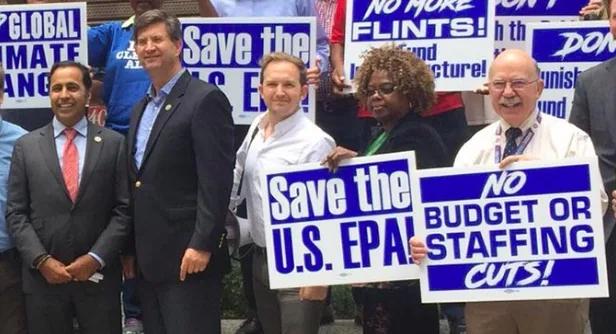
This is how we built the Save the U.S. EPA campaign for AFGE Council 238, the roughly 9,000 scientists, engineers, and public-health professionals who enforce the nation's environmental protections. We aligned earned media, op-eds, digital strategy, and public events with each policy development, so the work moved as one ecosystem rather than a pile of disconnected posts. A regulatory filing establishes substance. Media outreach creates visibility. Op-eds create argument. Digital creates repetition. Community voices create legitimacy. Together they turn a procedural deadline into a period of public education.
How do you counter a "cutting red tape" frame?
You contest it directly, while the decision is still pending, by naming who benefits and who pays. A rollback sold as cutting red tape may really be a transfer of cleanup costs from the companies that profited to the taxpayers left behind, and a quiet narrowing of the public's voice in future land-management decisions affecting wildlife habitat, clean water, and nearby communities. "Administrative" and "accountability" are not interchangeable frames. One makes the issue sound like paperwork. The other makes clear what is actually at risk.
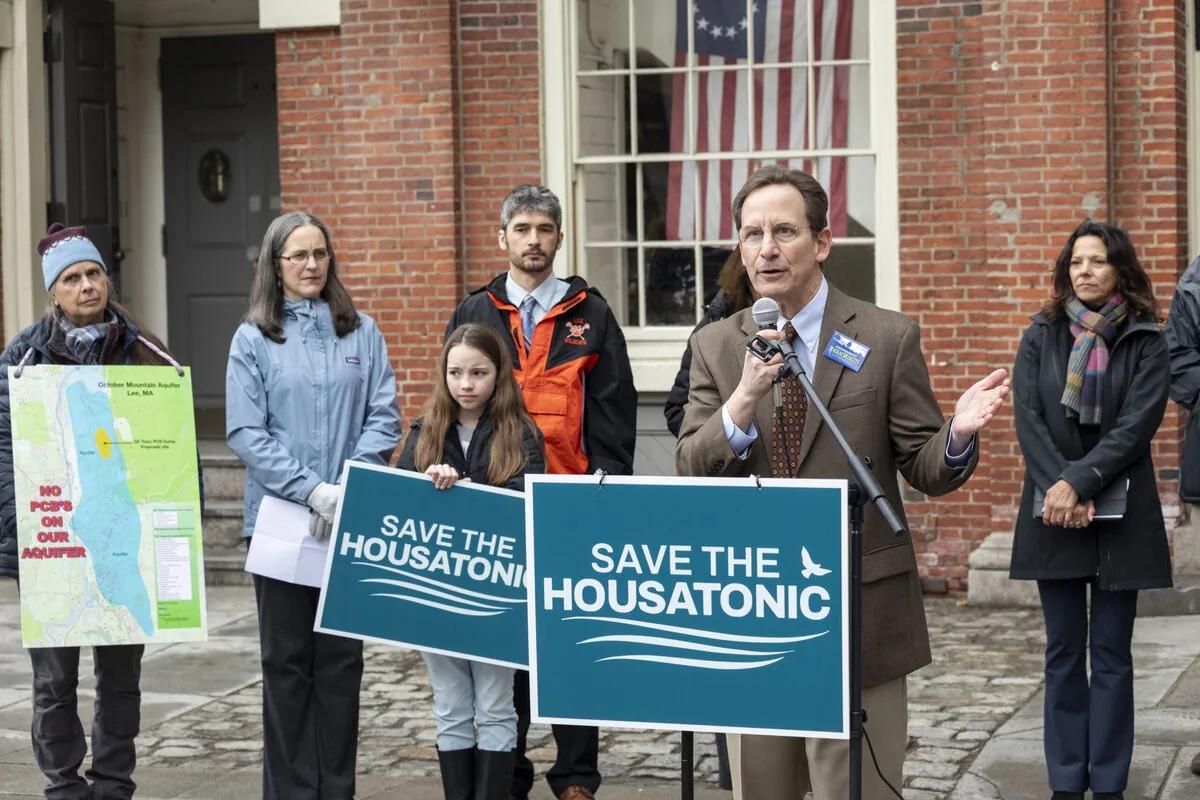
We have won that exact contest before. On Save the Housatonic, a decades-long PCB cleanup was being framed as a technical remediation plan; we turned it back into the real question of who is exposed, who decides, and who bears the long-term risk of a polluter's legacy. The public-lands rule is the same shape. A debate framed as efficiency is really about whether communities get a meaningful voice, and whether companies or the public absorb the cost when the drilling ends.
Discipline: make the central stakes impossible to miss
Strong communications during a comment period is not about unloading every legal, scientific, economic, and moral argument available. It is about making a few stakes unmissable: what is proposed, who is affected, who benefits, who pays, and what the public loses if the issue is treated as an inside-the-agency process rather than a real-world decision. Knowing what you are not going to say is as much a part of the work as knowing what you will.
The public record is essential, but it is not the only record that matters. There is also the public memory of the fight: who explained the stakes, who showed up, who was affected, and who made the issue understandable before the decision was made. That is why a public comment period should be planned as a communications campaign, not an administrative chore.
The filing may go to the agency. The story belongs to the public.
Frequently Asked Questions
What is a public comment period?
A public comment period is the window, often 30 to 60 days, when a federal or state agency invites the public to respond to a proposed rule before it is finalized. Comments become part of the official administrative record the agency must consider. Anyone can submit one through the agency or through the federal portal at regulations.gov.
Why is a public comment period more than a legal deadline?
Because it is one of the rare moments an issue becomes active across reporters, advocates, experts, affected communities, and opponents at the same time. The filing persuades the agency; the public argument reaches everyone else who can influence, amplify, or contest the decision. Treating it only as a filing window forfeits that opening.
When should communications start during a public comment period?
The day the window opens, not the week it closes. Early engagement lets reporters understand the proposal, editorial boards get briefed before positions harden, and affected communities help define the issue before opponents reduce it to a slogan. The deadline should close a campaign, not launch one.
How do you run a public comment period as a communications campaign?
Sort audiences and appeals, lead with earned media and op-eds, reach the movable middle through daily-life consequences, contest the opposing frame while the decision is pending, and treat social media as the distribution layer rather than the starting point. The goal is to make a few central stakes impossible to miss.
What is the movable middle in an advocacy campaign?
The people who have not yet formed a fixed opinion: parents, homeowners, small-business owners, workers, anglers, faith leaders, and taxpayers who simply want to know whether a government action affects their lives. A comment period reaches them through clean water, public safety, local control, and who-pays, rather than as a fight between organized sides.
How do you counter a "cutting red tape" framing of a rule?
Name who benefits and who pays. A rollback framed as cutting red tape may really shift cleanup costs from the companies that profited to taxpayers, and narrow the public's voice in future decisions. Replace the administrative frame with an accountability frame while the decision is still open.

Aric Caplan
Founder, Caplan Communications
Aric Caplan has advised national nonprofits, coalitions, and public agencies on high-stakes communications for more than two decades. He founded Caplan Communications in 2004, building a practice grounded in integrating earned media, message strategy, and rapid response into policy and regulatory processes. His work spans climate action, environmental protection, civil rights, and public health.


