





When the Fukushima nuclear disaster put radiation risk into every headline, the public debate focused on technical failure while the human health consequences receded. The voices that cut through were not agency officials but physicians: trusted messengers able to translate risk into clear, human terms.
The first question wasn't what to say. It was who the audience would believe. Frequently, too many organizations answer those questions in reverse.
Too many campaigns refine messages before deciding who should deliver them, which communities matter, where the consequences are greatest, and whose experience can make the stakes clear.
Communication strategy begins with people, not talking points. Public interest communications start with the people living the reality.
That principle must guide every strategic choice: which audiences to prioritize, which spokespeople to select and prepare, which coalition partners to engage, where to concentrate outreach, and whose experiences should shape the story.
Audience is more than demographics
Age, background, income, education, and political affiliation may describe people, but they rarely explain why someone trusts one message, rejects another, or decides to act. Effective strategy identifies what actually moves an audience: values, identities, lived experiences, trusted relationships, motivations, and barriers to action.
We have worked with E2, Environmental Entrepreneurs, since 2008, and the engagement began with exactly this gap. Previously, climate change was framed so narrowly as an environmental issue that business leaders stayed out of the debate. But that did not reflect how they saw themselves. That audience thinks in terms of markets, investment, and risk, so the narrative moved from environmental cost to economic strategy: clean energy as innovation, competitiveness, and job creation. The facts stayed the same; only the frame changed to fit the audience's values, and the climate conversation started reaching people it hadn't previously included.
National expertise may establish the facts, but local experience often determines whether people trust the message. The most credible voice may be someone living with the consequences.
A farmer or rural landowner may support conservation. That support can erode when a proposal limits how land or natural resources may be used, reduces property value, or disregards generations of stewardship.
A parent may care less about a school system's stated goals. What matters is whether a policy improves a child's safety, learning, or access to support.
A worker may trust a colleague who shares the same risks and conditions more than an executive removed from the daily reality of the job.
These are not secondary details. They determine whether a message feels credible and relevant, or out of touch with local experience and the realities of implementation.
Credibility is borrowed from trusted messengers
People often judge a message through the trust they place in its source. The same message can persuade, stall, or provoke resistance depending on who delivers it.
Fukushima was one moment in a longer assignment. In our work with Physicians for Social Responsibility, the goal was to establish environmental risk and nuclear hazards, as a direct public health issue. The human consequences were obscured, so the campaign elevated medical voices at high-stakes moments and let physicians do what no official statement could: translate complex science into clear human consequence. That work helped establish the now-dominant frame of climate change as a public health crisis. The science did not change. The messenger did.
Effective campaigns choose their trusted messengers deliberately: spokespeople, coalition partners, community leaders, subject-matter experts, and residents with direct experience.
| The issue | The expected voice | The voice audiences believe |
|---|---|---|
| A public health risk | An agency official | A doctor |
| A downtown development plan | The developer | A local business owner |
| Water policy | A policy expert | A farmer whose livelihood depends on it |
| A public budget decision | An organization's spokesperson | A parent whose child depends on the service |
The strongest spokesperson is not always the highest-ranking official or the leading technical expert. Credibility comes from knowledge, experience, and a trusted relationship with the audience. Confidence often transfers from the messenger to the message.
Geography shapes the narrative
Where people live affects what they see, what they value, and which consequences feel immediate.
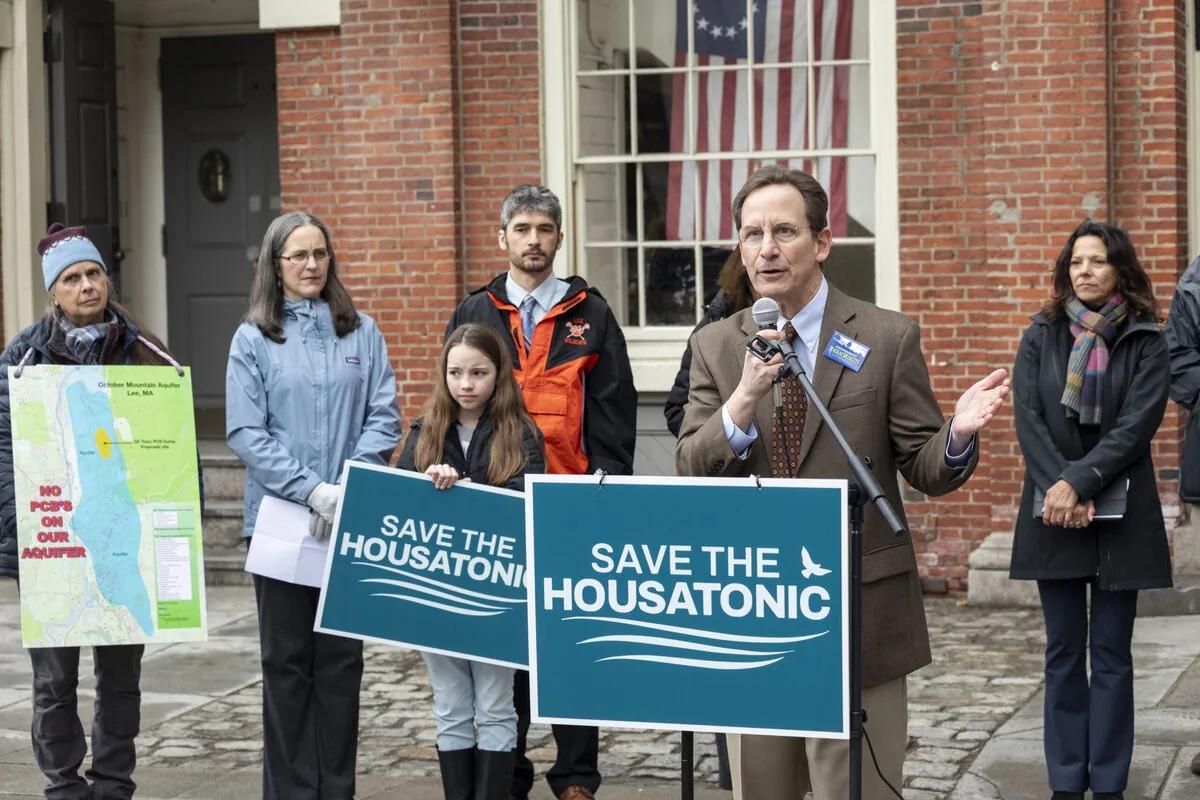
A national message about clean water becomes more meaningful when connected to a tourism economy, a local river, drinking-water source, fishing area, or farms. We saw it up close helping lead the Save the Housatonic campaign, where decades of PCB contamination from General Electric had settled into a river running through Massachusetts and Connecticut. On paper, the fight was both corporate accountability and a technical remediation plan. On the ground, it was about which communities, particularly those downstream, would live with the long-term risk, and who got to decide. Elevating resident leadership turned a cleanup docket into a question the whole region recognized: who is exposed, who decides, and who bears the consequences of legacy pollution.
A broad argument about public investment gains urgency when tied to jobs, a school district, a transit route, or a specific neighborhood. Place does more than determine where a message appears. It shapes what the story means.
Urban, suburban, and rural communities may share a concern while experiencing its consequences differently. Reporters in different markets may also need different evidence, examples, and local sources. Effective campaigns identify where the consequences are clearest, which communities are directly affected, and which local voices can explain what is at stake.
Lived experience should shape the strategy
People living an issue understand its consequences in ways no message document can fully capture. Their stories should not be added after the strategy is complete. Their experiences should help shape it from the beginning.
A resident facing repeated flooding can explain what failing infrastructure means for a household. A pastor caring for a congregation during extreme heat can connect public policy to health, responsibility, and community life. A truck driver sidelined by a licensing decision can show how an administrative rule affects work, income, and family stability. These accounts carry weight because they come from people living with the consequences.
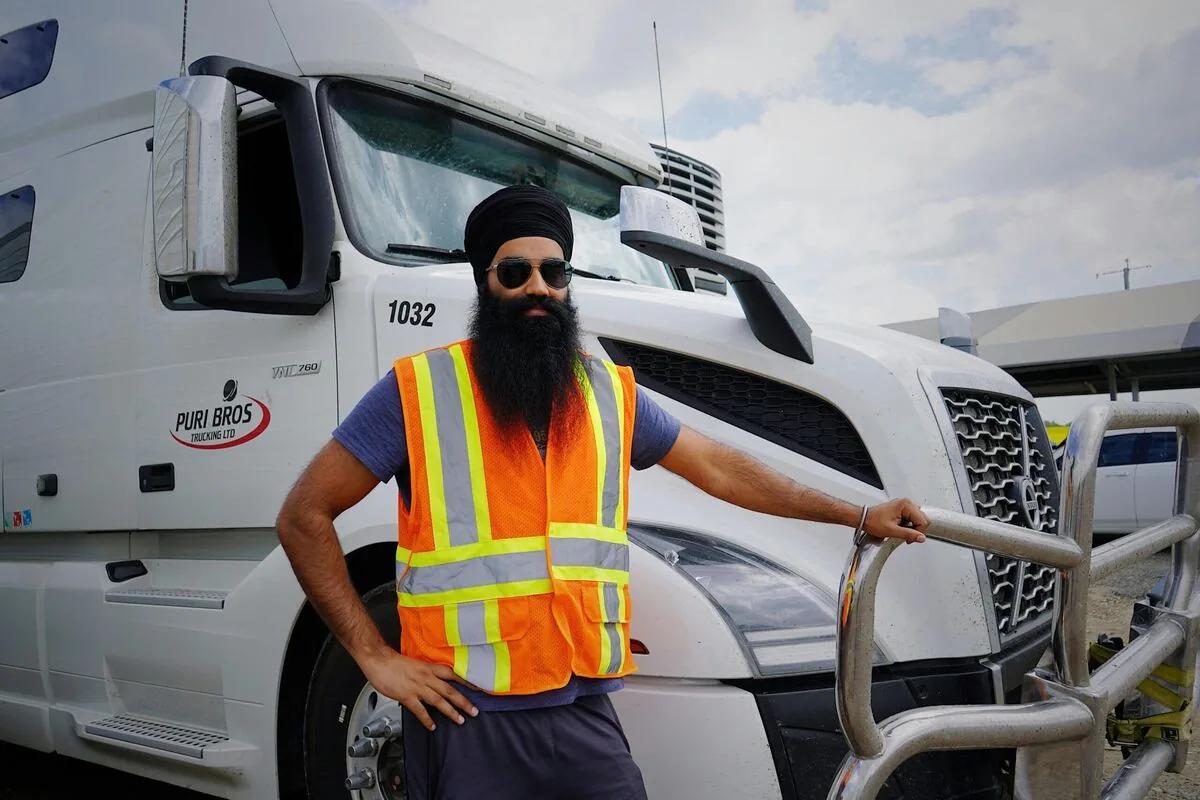
That last example is not hypothetical. A wave of CDL enforcement actions in California put thousands of immigrant truck drivers, many legally authorized to work, at immediate risk of losing their licenses. We partnered with UNITED SIKHS and built the Freedom Drivers platform to document the impact in real time: real cases, captured as they happened, aligned with active legal filings so every fact could survive scrutiny. Individual stories connected into a systemic pattern that was far harder to dismiss, and the coverage ran coast to coast. The drivers were not performing a role created for a campaign. They were the reason the campaign existed. The public understanding that fight demanded is a story of its own.
That does not make every personal story effective. Speakers must understand the purpose, consent to participating, and speak in their own words. Their experiences should not be exaggerated, heavily scripted, or forced into a predetermined narrative. Authenticity requires protecting the speaker's agency and preserving the facts.
Effective strategy makes complexity look simple
The right person speaks. The right community recognizes the stakes. Reporters know whom to call. Coalition partners reinforce the message. Decision-makers hear directly from people affected by the outcome.
That apparent simplicity rests on deliberate work. It requires identifying the audiences that can influence the decision, understanding what matters to them, selecting messengers they trust, concentrating outreach where the issue matters most, and preparing people to tell their stories clearly and accurately. None of that work is visible when it succeeds. All of it is missing when a campaign talks past the people it needs.
Navigating complex issues begins with knowing your audience: what people need to hear, whom they trust to say it, where the issue touches their lives, and which stories reflect their experience.
Public interest communications do not begin with what an organization wants to say. They begin with the people living the reality and build the strategy from there.
Frequently Asked Questions
A trusted messenger is someone an audience already regards as credible before a campaign says a word: a doctor explaining a health risk, a business owner making the economic case, a worker describing conditions a colleague shares. The trust comes from knowledge, experience, and relationship, not from rank or title. Identifying trusted messengers is the first strategic decision, made before the message is written.
Because credibility is borrowed. The same message can persuade, stall, or provoke resistance depending on who delivers it, and audiences use messengers as a shortcut for deciding what information deserves their trust. When environmental risk needed to be understood as a health issue, the decisive move was not a new set of talking points. It was physicians delivering the science in human terms.
Start from the audience, not the org chart. Ask who the audience already trusts on this issue, who shares its stakes, and who can speak from direct experience. The strongest spokesperson is not always the highest-ranking official or the leading technical expert. And prepare whoever you choose: they must understand the purpose, consent to the role, and speak in their own words.
Yes. Age, income, education, and political affiliation describe people, but they rarely explain why someone trusts one message and rejects another. Useful audience research identifies values, identities, lived experiences, trusted relationships, motivations, and barriers to action. A rural landowner can support conservation and still resist a proposal that dismisses generations of stewardship. Demographics will not show you that.
Place shapes what a story means, not just where it appears. A national clean-water argument becomes real when it connects to a local river, a drinking-water source, or a farm, and communities that share a concern can experience its consequences very differently. Concentrate outreach where the consequences are clearest and equip local voices, because reporters in different markets need different evidence and sources.
A direct connection to the issue, told in the speaker's own words. Stories work when the person telling them already lives the consequences, not when they perform a role created for a campaign. That requires consent, preparation, and discipline: never exaggerate, never over-script, and keep every fact accurate enough to survive scrutiny. Protecting the speaker's agency protects the story's credibility.

Aric Caplan
Founder, Caplan Communications
Aric Caplan has advised national nonprofits, coalitions, and public agencies on high-stakes communications for more than two decades. He founded Caplan Communications in 2004, building a practice grounded in integrating earned media, message strategy, and rapid response into policy and regulatory processes. His work spans climate action, environmental protection, civil rights, and public health.


