





When the federal government moves to narrow the Clean Water Act or its enforcement, the notice reads like paperwork. A jurisdictional revision. A comment period. Nothing in it tells a person in Montana or Michigan that the rule helps decide whether the stream they fish, the wetland that filters their drinking water, or the land they hunt is still protected.
That gap, between what a policy decision technically says and what it actually means for practicality to someone's life or livelihood, is where most public-interest fights are won or lost. Closing it is the work of advocacy communications.
We have done that work for two decades, for the National Wildlife Federation, NRDC, and the Union of Concerned Scientists, and the union scientists who keep the EPA running. The pattern holds across all of them: the side that helps people see themselves inside a decision tends to beat the side that simply has more reach.
Advocacy communications turns an audience into a stakeholder
Advocacy communications is the practice of helping the people affected by a policy or public decision understand that they have a stake in it, then giving them a credible reason and a trusted voice to act. It is not a promotion. Promotion measures attention. This work measures understanding that changes what people do.
Most organizations still measure communications the old way: impressions, reach, media hits, web traffic. Those numbers describe an audience. An audience watches, consumes, and scrolls on. A stakeholder understands that a decision carries consequences for their livelihood, their health, or their kids, and that understanding and context makes them willing to speak, show up, or push back.
| An audience | A stakeholder | |
|---|---|---|
| Relationship to the issue | Watches it | Is affected by it |
| Communication | One way, aimed at them | Two way, with them |
| What moves them | Volume and repetition | Understanding what is at stake for them |
| What they do | Consume, then scroll past | Speak, show up, submit comments, vote |
| What the work owes them | Exposure | Clarity and a credible messenger |
Attention is not the same as understanding
Attention is being seen. Understanding is being grasped. An issue can trend for a day and still leave the public with no real idea what is at stake, which is exactly how consequential decisions get made while people are looking the other way.
Policy debates now move through fragmented, fast media. Social media and video have overtaken television and news organizations' own sites as the most common way people get news, and trust in news has fallen to a record low, just 25 percent in the United States (Reuters Institute Digital News Report 2026). Complex issues get compressed into slogans and clips, and opinion can harden around an incomplete story before most people realize a decision is even underway. An organization that chases attention in that environment can win the day and lose the argument. The work is to make sure that when people do look, they understand. We have written before about why understanding, not attention is the harder and more important job.
Understanding starts with daily-life relevance
People engage with an issue when they can see how it reaches their own water, wallet, health, or work. The job is to translate policy into consequence without distorting it.
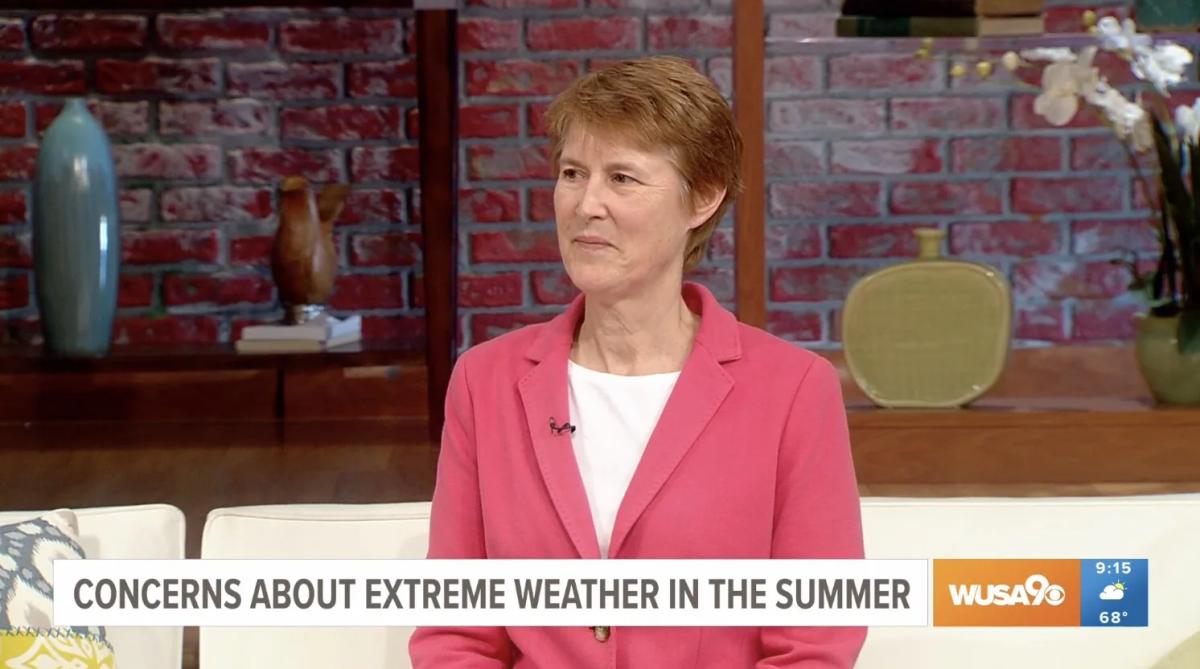
For the Union of Concerned Scientists, climate science kept arriving as data the public filed under "later." We helped define "Danger Season," a single named frame connecting extreme heat, wildfire smoke, and severe storms into one recurring risk people could feel in real time. The science did not change. What changed is that a parent deciding whether it was safe to send a kid outside now had a way to understand it.
The same translation defended clean water for the National Wildlife Federation. A jurisdictional rollback is abstract until it becomes the wetland that filters a town's drinking water and the stream a region's hunting and fishing economy depends on. Framed that way, a "technical revision" becomes a decision people have a reason to weigh in on.
Understanding is carried by credible voices, not volume
People trust what feels real, local, and accountable to their own experience. Advocacy communications works by elevating the validators the public already trusts, not by amplifying the organization's own logo.
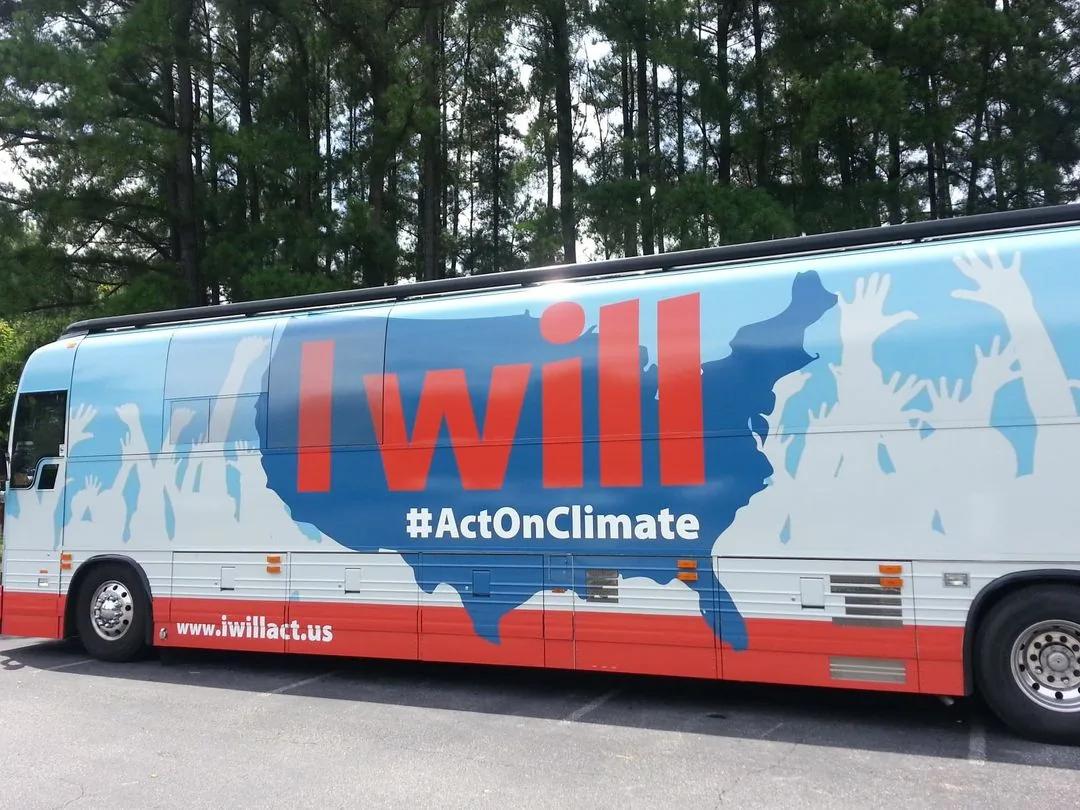
On the "I Will" Act on Climate bus tour across 30 states, the most persuasive voices were rarely national advocates. They were local business owners, faith leaders, and public-health professionals explaining what climate action meant for their own town. For the National Wildlife Federation, hunters and anglers carried the clean-water argument into rooms a national environmental group could not. The strongest strategies do not manufacture supporters. They recognize the credible voices who already exist and help them be heard.
Credibility holds it together, especially under pressure
None of this survives without facts, sourcing, and consistency. The moment messaging feels manufactured or evasive, the stakeholder you built slides back into being an audience. Credibility is what converts communications into trust.
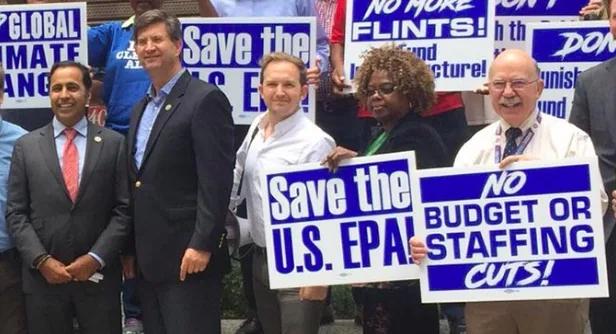
When the EPA's workforce came under sustained political pressure, we ran the Save the U.S. EPA campaign for AFGE Council 238, the roughly 9,000 scientists and engineers who enforce the nation's environmental protections. The temptation in a fight like that is to get louder. Instead the work stayed disciplined: connect each attack on the workforce to a concrete consequence for public health, in real time, sourced and specific. Reach without credibility would have produced noise. Reach built on credibility produced understanding that held.
None of this is about being the loudest organization in the room. The groups that win the most consequential public debates are rarely the ones with the biggest megaphone. They are the ones that helped people understand why the issue belonged to them in the first place.
That is how an audience becomes a stakeholder.
Frequently Asked Questions
What is advocacy communications?
Advocacy communications is the practice of helping the people affected by a policy or public decision understand that they have a stake in it, then giving them a credible way to act. Unlike promotion, which measures attention, it measures understanding that changes behavior.
What is the difference between an audience and a stakeholder?
An audience watches an issue and moves on. A stakeholder understands that the decision affects their own life and is willing to act on it, by speaking, showing up, or submitting a comment. Advocacy communications exist to move people from the first to the second.
How do you build public support for an issue?
Translate the decision into daily-life consequences (water, health, work, money), elevate credible local voices the public already trusts, and stay sourced and consistent so the message holds up under scrutiny. Volume alone does not build support. Understanding does.
When should an advocacy communications effort start?
When the issue first becomes active, not the week a deadline closes. Early understanding is what lets reporters, validators, and affected communities engage before opinion hardens around an incomplete story.
Why do credible messengers matter more than reach?
People trust voices that feel local, lived, and accountable. A hunter on clean water or a physician on climate health can move people that an organization's own megaphone never will.
Is advocacy communications the same as PR or marketing?
It overlaps, but the stakes and the aim differ. It operates inside active policy and public-interest fights, where the goal is not visibility for its own sake but understanding that shapes a real-world outcome.

Aric Caplan
Founder, Caplan Communications
Aric Caplan has advised national nonprofits, coalitions, and public agencies on high-stakes communications for more than two decades. He founded Caplan Communications in 2004, building a practice grounded in integrating earned media, message strategy, and rapid response into policy and regulatory processes. His work spans climate action, environmental protection, civil rights, and public health.


