





When the EPA opened its Community Change Grants program, the design carried a point most public programs miss: disadvantaged communities would not be consulted after decisions were made. They would participate directly in environmental and climate decision-making. We worked with dozens of applicant communities across the country inside a compressed federal funding cycle, and the job was public interest communications in its most literal form: making sure community priorities were defined, documented, and positioned to carry weight in federal review, so engagement functioned as governance, not as outreach.
That is where this work begins. The discipline is simple to state and hard to practice: making civic action meaningful, credible, inclusive, and connected to people's daily lives.
People are more likely to trust public-facing work when they can see themselves in it, recognize its stakes, and believe their communities are not being spoken about from a distance.
It matters most when residents, workers, parents, business owners, faith leaders, veterans, students, public servants, and community members are weighing whether public-facing work feels real, relevant, and worthy of confidence.
Not promotion dressed up as purpose
It is not a press release issued after decisions are already made. It is the work of connecting policy, investment, services, safety, opportunity, and public responsibility to the lives people actually lead.
Overcoming adversity or injustice cannot be treated as civic wallpaper. They have to be practiced in public: through who is heard, whose experience and values are reflected, what tradeoffs are named, what progress is shown, and how institutions respond when concern is legitimate.
We watched consequences play out during the Deepwater Horizon disaster. Corporate and federal narratives dominated the early coverage, and frontline organizations risked being reduced to secondary voices. Positioning Mobile Baykeeper as a primary, front-line authority through an 87-day unfolding crisis meant the story of the Gulf was told through livelihoods, public health, and accountability, by the people living it rather than from a distance. Coverage moved from an abstract offshore disaster to a grounded account of community impact and systemic failure.
The discipline belongs before the statement.
The media pitch, the community meeting, or the crisis response asks who has carried the issue, which stakeholders were left out of past decisions, why communities often distrust official language, and whose first-hand experience gives the work its meaning.
Those questions are not rhetorical. Nearly two decades after Alaska’s Exxon Valdez oil spill, official narratives had settled into recovery and closure while Indigenous communities, local livelihoods, and fisheries persevering through unthinkable loss knew otherwise. The Whole Truth Campaign, formed by spill victims to support more than 32,677 fishermen, women, and Alaska Natives still seeking punitive damages nearly nineteen years after the spill, amplified scientific data and community testimony to counter false closure claims, timed to the Supreme Court's review of the survivors' case. People who have watched official language declare a problem solved while they are still living it have every reason to distrust it. Communications that start with their experience are the only kind they will believe.
The goal was not to symbolically include communities after decisions are made. It was to recognize the leadership, experience, and local or traditional knowledge already shaping public life, and make sure public-facing communications reflect that reality.
| Communities as proof points | Communities as participants | |
|---|---|---|
| When they are heard | After decisions are made | Before the frame is set |
| What their input becomes | A testimonial in someone else's story | Evidence that carries weight in the decision |
| Who leads | The institution speaks about them | Leadership that already exists speaks for itself |
| How inclusion reads | Artificial, forced, or symbolic | Reflected in who is heard and what tradeoffs are named |
| What the work earns | Skepticism | Confidence |
Recognize the leadership that already exists
That includes women-led movements, Black, Latino, and Indigenous families, immigrant communities, small-business owners, workers, parents, elders, faith leaders, neighborhood advocates, and young people whose futures are shaped by public choices. These communities should not appear only as proof points, testimonials, or demographic categories. They are participants in civic life, and their leadership, labor, memory, and aspirations should shape how public work is presented.
When we brought Wangari Maathai's work to U.S. audiences, the risk was exactly that: a Nobel laureate received as a symbol rather than as leadership immediately relevant to American policy and civic life. The work was translation, connecting environmental stewardship, women's leadership, and democratic resilience to domestic concerns, so that her authority landed as policy-relevant rather than ceremonial.
The Equal Rights Amendment campaign made the same point across decades rather than a tour. Generations of women-led advocacy carried the issue long after official attention moved on. When the 2019 Virginia elections opened a compressed decision window, the communications job was to align legal, advocacy, and media pressure so a dormant historical effort became immediate constitutional business. Virginia ratified as the 38th state. The leadership did not need to be created. It needed to be recognized and heard at the moment it could matter.
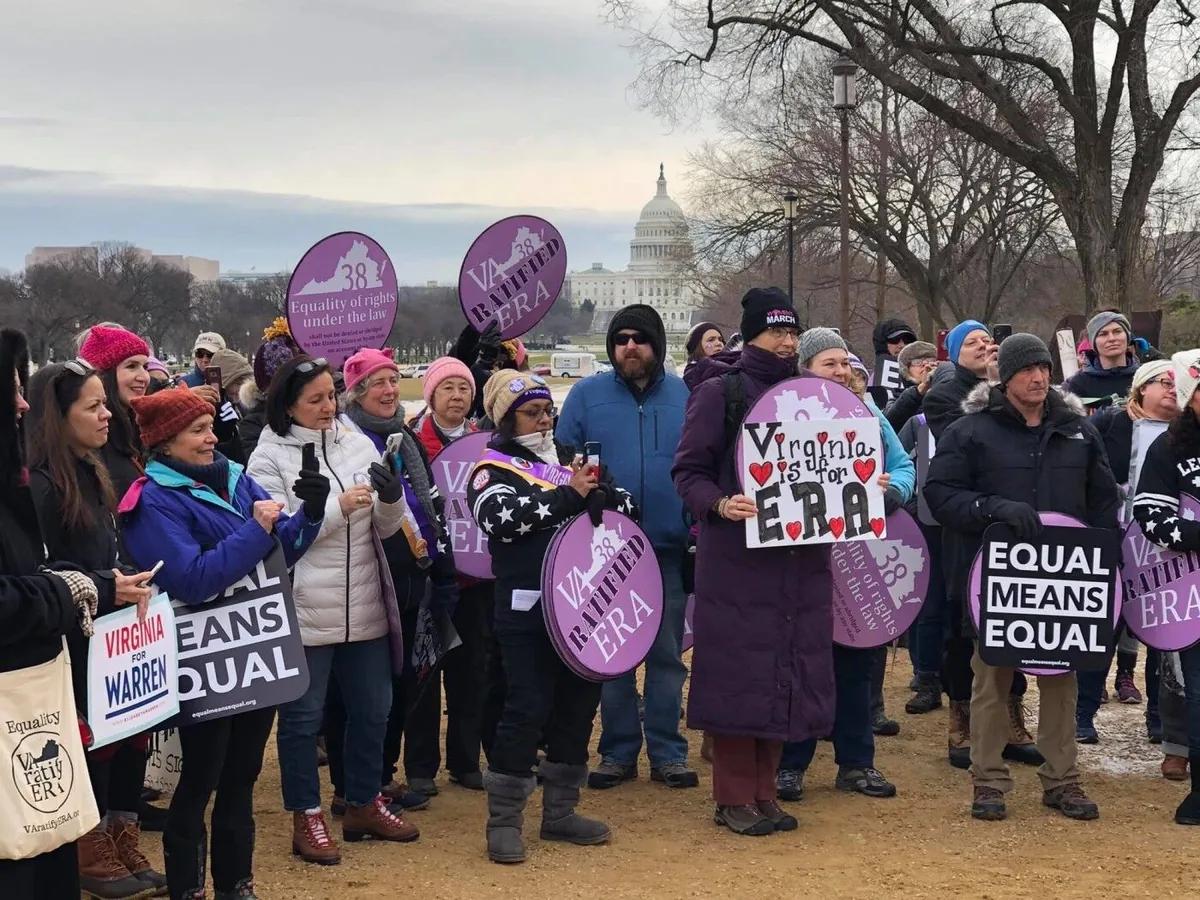
Central to this work is inclusion that does not feel artificial, forced, or symbolic. That happens when the work reflects leadership that already exists, listens before it frames, and connects institutional action to the daily realities communities know best.
Where the stakes are highest
The stakes are highest when public work involves growth, investment, public safety, infrastructure, land use, equity, housing, education, or economic change. These are not abstract civic categories. They determine whether communities feel protected or displaced, welcomed or ignored, respected or spoken around.
The strongest public interest communications do not simply announce progress. They connect public action to lived experience. They show how decisions affect safety, opportunity, belonging, health, work, mobility, cultural life, and the ability of families to build a future in place. They treat public concern as part of the work, not as an obstacle to be managed.
That is what the Community Change Grants work demonstrated at scale. When community priorities are structured to carry weight, "community engagement" stops being procedural- meetings held, comments submitted, nothing changed- and becomes part of how decisions get made.
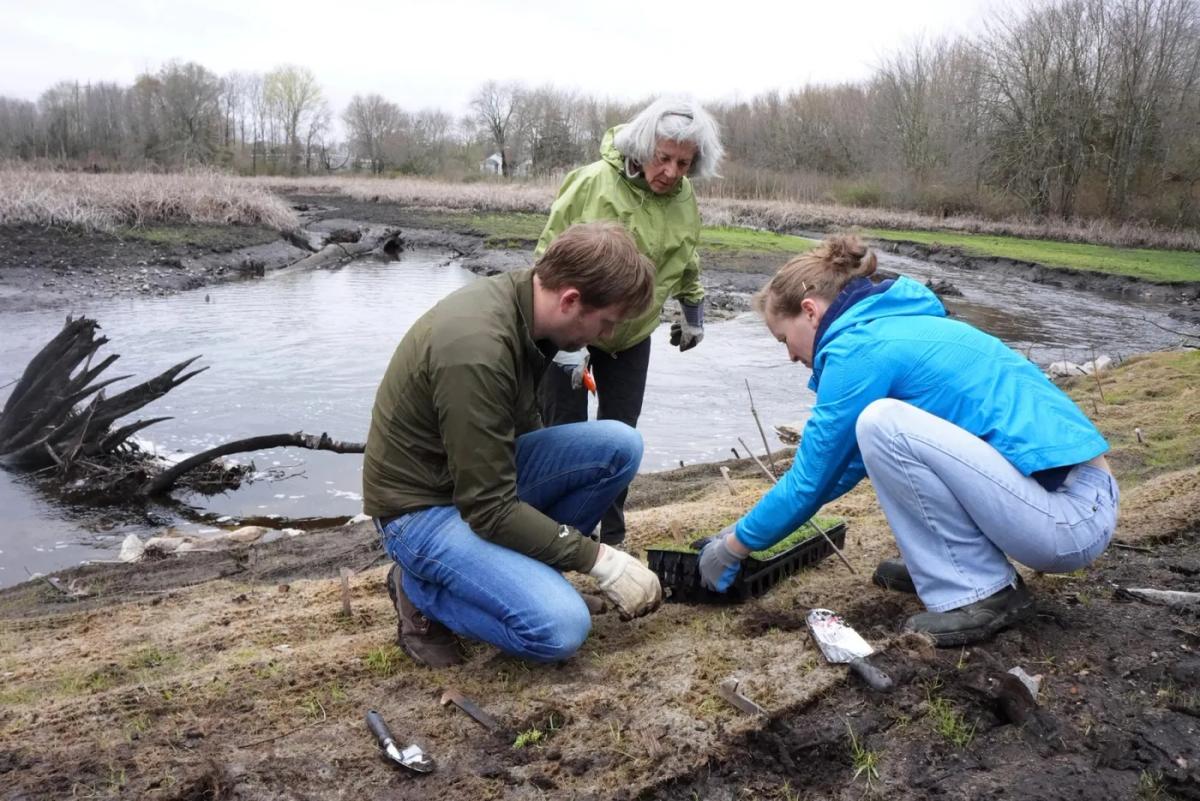
Done well, public interest communications is civic stewardship in practice. It lifts the people closest to the stakes, recognizes leadership that already exists, and helps public-facing institutions earn credibility by showing up consistently, reflecting the communities most affected, and taking visible responsibility for the work they ask people to trust.
The call to action is simple: stop treating public communications as something that happens after the work is done, or as the last step in civic engagement. Build it into the program early. Listen to communities. Ask what outcomes they want to see, and what would make the work meaningful and durable to them.
Reflect honestly. Name the stakes. Include the people living the reality, especially those who have too often been excluded from shaping previous decisions or outcomes. Then speak in ways that show not only what is being done, but why it matters to the communities whose lives are touched by it.
Frequently Asked Questions
Public interest communications is the work of connecting public decisions, policy, investment, services, and infrastructure, to the daily lives of the people they affect, early enough that affected communities help shape the work rather than react to it. It is practiced in public: through who is heard, whose experience is reflected, what tradeoffs are named, and how institutions respond when concern is legitimate.
Public relations often serves an organization's visibility. Public interest communications serves the public's confidence in civic work: policy, funding, infrastructure, safety, and services. Success is measured not by attention but by whether the communities most affected see themselves, and their priorities, reflected in the work.
Before decisions are made, not after. The discipline belongs before the statement, the media pitch, the community meeting, or the crisis response. Building communications into the program early means communities can shape outcomes, say what would make the work durable, and trust what follows.
Real inclusion shows up in sequence and weight: communities are heard before the frame is set, their input carries weight in the decision, and existing local leadership speaks for itself. Symbolic inclusion arrives after decisions are made and treats people as proof points, testimonials, or demographic categories.
The people living the reality: residents, workers, parents, business owners, faith leaders, veterans, students, and public servants, and especially those who have been excluded from shaping previous decisions. Their leadership, labor, memory, and aspirations should shape how public work is presented.
Because confidence, accountability, and transparency cannot be treated as civic wallpaper. They have to be practiced in public. When institutions name tradeoffs, show progress, and respond to legitimate concern, communications becomes the visible proof that the work deserves the trust it asks for.

Aric Caplan
Founder, Caplan Communications
Aric Caplan has advised national nonprofits, coalitions, and public agencies on high-stakes communications for more than two decades. He founded Caplan Communications in 2004, building a practice grounded in integrating earned media, message strategy, and rapid response into policy and regulatory processes. His work spans climate action, environmental protection, civil rights, and public health.


